The Load Knowledge That Dies Every Season
A Production Live 2026 panel named a problem every touring operation feels: pack knowledge locked in one person's head, re-engineered from scratch when the crew turns over. A saved load plan is the fix.

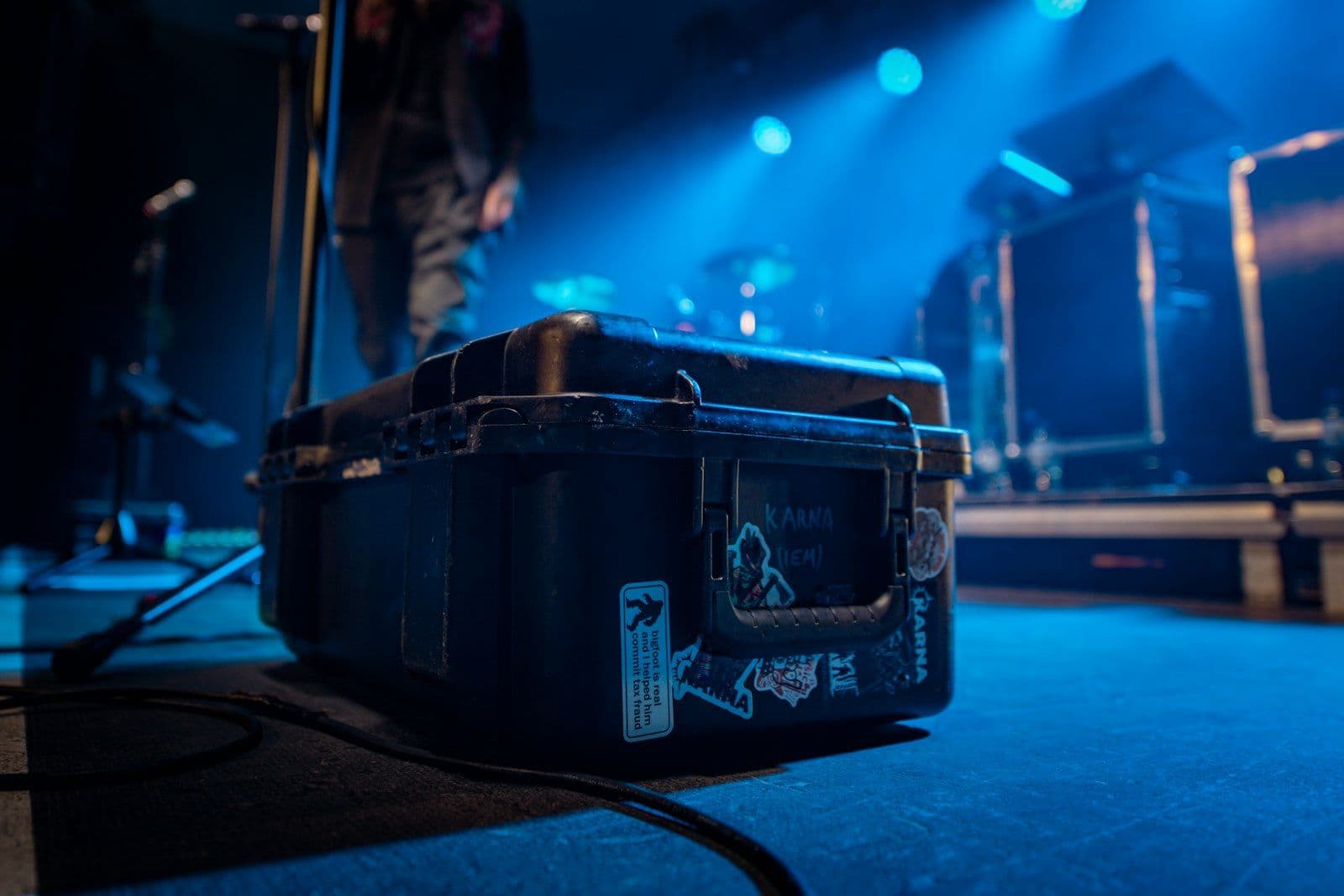
The most valuable asset on a tour is not in a road case. It is in the head of the production manager who knows this truck packs cleaner if the video wall goes in nose-first, that the followspot cases ride better strapped to the driver side, and that the fourth truck is always half-empty unless someone re-nests the rigging. When that person moves to the next tour, most of that knowledge leaves with them. The industry has quietly accepted this as normal. A panel at Production Live 2026 said out loud that it should not be.
The gap the panel named
The Production Live 2026 tour logistics panel, moderated by Steve Dixon of Pophouse, put working veterans on stage: Shelbi Curtis-Moehle of Family Entertainment Live, Ben Ikwuagwu of Soundcheck Live, Wayne Linder of Pioneer Coach, and Jeremy Young of RockForce. The recurring theme was not gear or trucks. It was knowledge that never gets written down.
Curtis-Moehle put it plainly: "There's so much knowledge just in this room, and if we took one percent of what everybody has here, we would have knowledge beyond years. But it's locked up here," pointing to her head. She described the exact failure mode every touring operation knows: "There's a back-up plan from team A, but now touring unit B is going in, and they're re-engineering [what should have already been passed down]."
That is the whole problem in one sentence. The load plan that unit A perfected over a 40-show run does not carry forward. Unit B starts from a blank trailer and relearns it the hard way, usually on a tight load-out clock with a promoter's curfew running.
Why load knowledge is the worst thing to lose
Every piece of a tour that dies with turnover costs something, but load knowledge is unusually expensive because it compounds. A pack that wastes six inches per case wastes a full truck by the end of the trailer. A truck you do not need is a real line on the budget: a saved cab, a saved driver, and saved fuel on every mile of the routing. Get the sequence wrong instead and the cost is time, the most finite resource on show day. Dixon summarized the state of play bluntly: "Lot of time spent, lack of data, lack of coordination."
The fix the panel kept circling was documentation, not heroics. Ikwuagwu framed the post-mortem as the moment the knowledge either gets captured or evaporates: "When chaos happens, it's a chance to learn. That's not just talking about it while on the bus, it's documenting it." Talking about it on the bus is how the industry has always done it, and it is exactly why the knowledge stays locked in one person's head.
A load plan is documentation that survives the crew
This is where a saved, reusable load plan earns its place. When the pack lives in a shared 3D plan instead of in muscle memory, it becomes the artifact Curtis-Moehle described: knowledge "in one single place, to then be able to share and communicate it." The next crew opens the plan and sees exactly what went where, in what order, and why the fourth truck was actually needed or not.
The touring world already accepts this idea everywhere except the trailer. Platforms like Eventric's Master Tour have made a single source of truth standard for itineraries, scheduling, and crew tasks, precisely because centralized data prevents the miscommunications that turnover creates. The load plan is the last piece of the tour still run on memory. It does not have to be.
Truck Packer exists to close that specific gap. Building the pack in a 3D plan means the sequence, the nesting, and the truck count are documented the moment they are solved, not lost when the PM signs off the tour. Unit B inherits unit A's best pack instead of re-engineering it. The one percent of knowledge Curtis-Moehle wants out of people's heads and into a system is, for the truck, just a file you can open.
The takeaway
The panel named a problem the whole industry feels and rarely fixes: institutional knowledge rebuilt from scratch every season. For everything that happens inside the trailer, the fix is not a better memory or a longer handoff conversation. It is a load plan that outlives the crew that made it. Document the pack once, and the next tour starts from your best day instead of a blank trailer.
Everything above lives in the app. Log in to Truck Packer and start packing.

