Standard Pallet Sizes: The 48x40 GMA, the Euro Pallet, and the Others That Matter
The definitive reference on standard pallet sizes: the 48x40 GMA pallet, the 1200x800 mm Euro pallet, the six ISO 6780 footprints, and the drum, beverage, and half pallets that break your row math. Hard dimensions, capacities, and weights, with the touring freight angle.

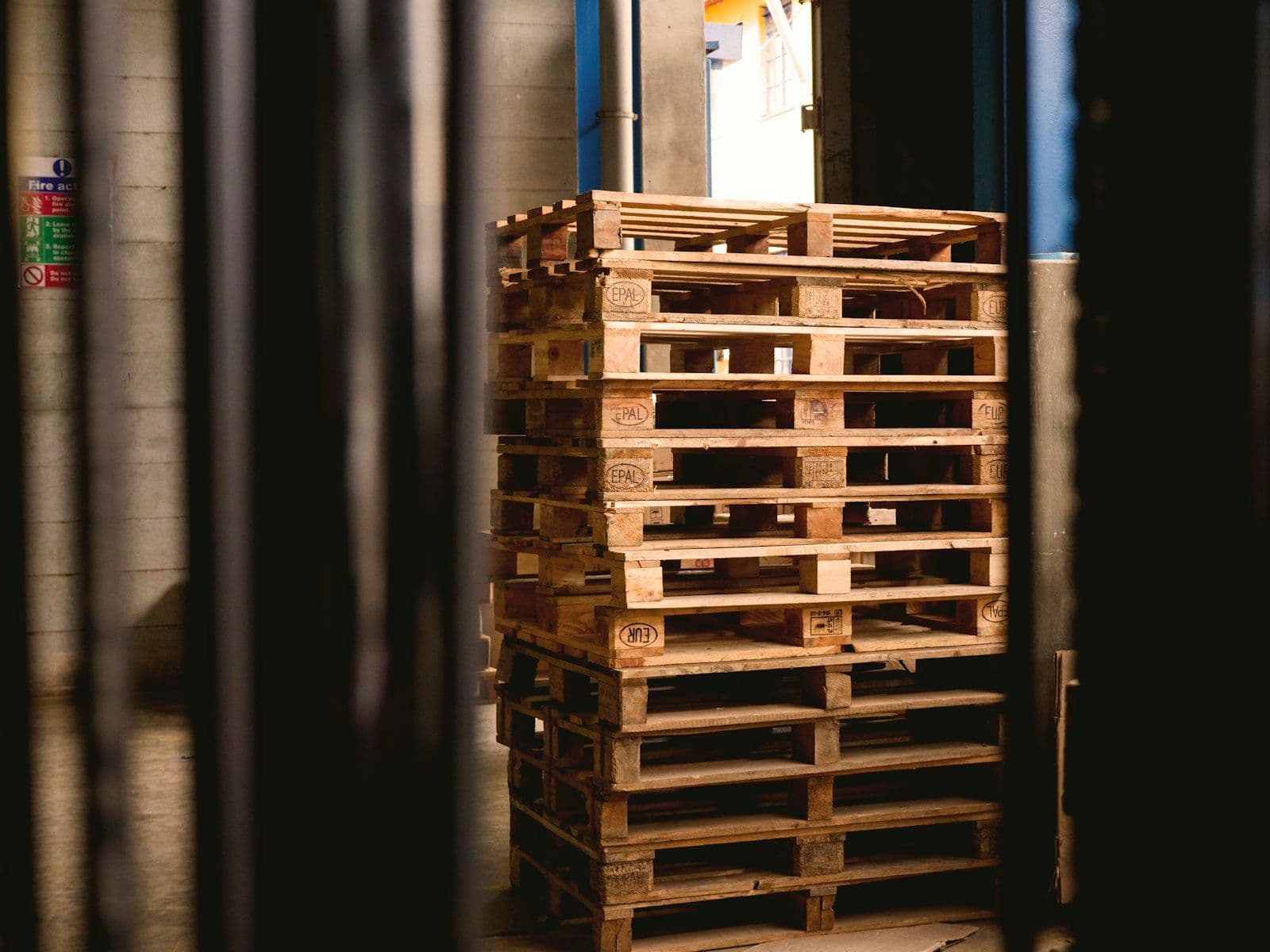
Every load plan starts with a footprint. Before you can figure out trailer counts, stack heights, or axle weights, you need to know exactly what a "standard pallet" is, and the answer changes depending on which side of the Atlantic your freight is on. This is the reference page: the hard dimensions, capacities, and weights for the pallets that actually show up on docks.
What is the standard pallet size in North America?
The 48x40 GMA pallet: 48 inches by 40 inches, or 1219 x 1016 mm. The spec was established by the Grocery Manufacturers Association for the grocery supply chain and has barely changed since, which is exactly why it won: everyone's racking, pallet jacks, and trailer math is built around it. By PalletOne's numbers, the 48x40 comprises over 30 percent of all pallets used in the United States.
The working numbers on a wood GMA pallet:
- Dynamic capacity (moving on a forklift or in transit): roughly 900 to 1,134 kg, about 2,000 to 2,500 lb
- Static capacity (sitting still): about 2,085 kg, and PalletOne rates the GMA at up to 4,600 lb
- Pallet weight: 30 to 48 lb depending on wood and build, averaging around 37 lb
- Height: roughly 5.7 to 6.5 inches (145 to 165 mm)
That dynamic vs. static gap matters. A pallet that holds 4,600 lb on the warehouse floor is only good for about half that bouncing down the interstate.
What are the Euro pallet dimensions?
The EPAL Euro pallet is 1200 x 800 mm (47.2 x 31.5 inches), 144 mm tall, and weighs about 25 kg (55 lb). Per EPAL's official spec, it is built from exactly 11 boards, 9 blocks, and 78 nails, with the nail positions stipulated to guarantee diagonal rigidity. The safe working load is 1,500 kg, about 3,300 lb, and the bottom pallet in a stack can carry up to 5,500 kg static. There are over 650 million EPAL pallets in circulation, and PalletOne notes the EUR 1 accounted for 21 percent of new pallet production in Europe.
The Euro pallet's narrower 800 mm width exists because it was sized for European trucks and rail cars, which is why a 48x40 plan does not translate across an ocean without redoing the math.
What pallet sizes does ISO 6780 recognize?
ISO 6780:2003 is the international standard for flat pallet dimensions, and it blesses six footprints. Three rectangular: 1200 x 800 mm (the Euro), 1200 x 1000 mm, and 1219 x 1016 mm (the 48x40). Three square: 1067 x 1067 mm (42x42), 1100 x 1100 mm (the Asian standard), and 1140 x 1140 mm. Manufacturing tolerance on all of them is +3/-6 mm. Australia runs its own 1165 x 1165 mm square, and Japan and much of Asia center on the 1100 x 1100.
What other sizes actually show up on docks?
Per PalletOne's industry breakdown: 48x48 for drums, 44x44 for chemical drums, 42x42 for paint and telecom, 48x45 for automotive, 40x48 for military and cement, 48x36 for beverage and shingles, and 48x20 half pallets for retail. If you move production freight, the 48x48 drum pallet and 42x42 are the ones most likely to sneak into an otherwise uniform load and break your row math.
Is a 40x48 the same as a 48x40?
Same footprint, different pallet. Under ISO 6780's definitions, pallet length is the deck dimension in the direction of the stringers and is always expressed first. A 48x40 runs its stringers (and fork entry on a two-way pallet) along the 48 inch side; a 40x48 flips that. On a four-way block pallet it barely matters. On two-way stringer pallets it decides which way your forks go in and which way the pallet can face in the trailer.
Why this matters for touring and production freight
Tours live on caster-borne cases, but the moment your freight rides common carrier (merch, staging, rigging steel, cable, anything crated) it goes on one of these footprints, and the pallet you pick sets your trailer count. We already did the how-many-fit math for 20ft and 40ft containers and 53ft trailers, so start there for counts. In Truck Packer you can model each pallet as a case with its real footprint and loaded height, then pack the trailer around them and see exactly where the odd sizes cost you floor.
Put it to work: log in to Truck Packer and build your load plan.

