Pack the Truck Before You Build the Rig
With truckload spot rates at record highs and diesel up nearly 60 percent, the cheapest savings on tour is the trailer you never book. How load planning belongs upstream of the loading dock.

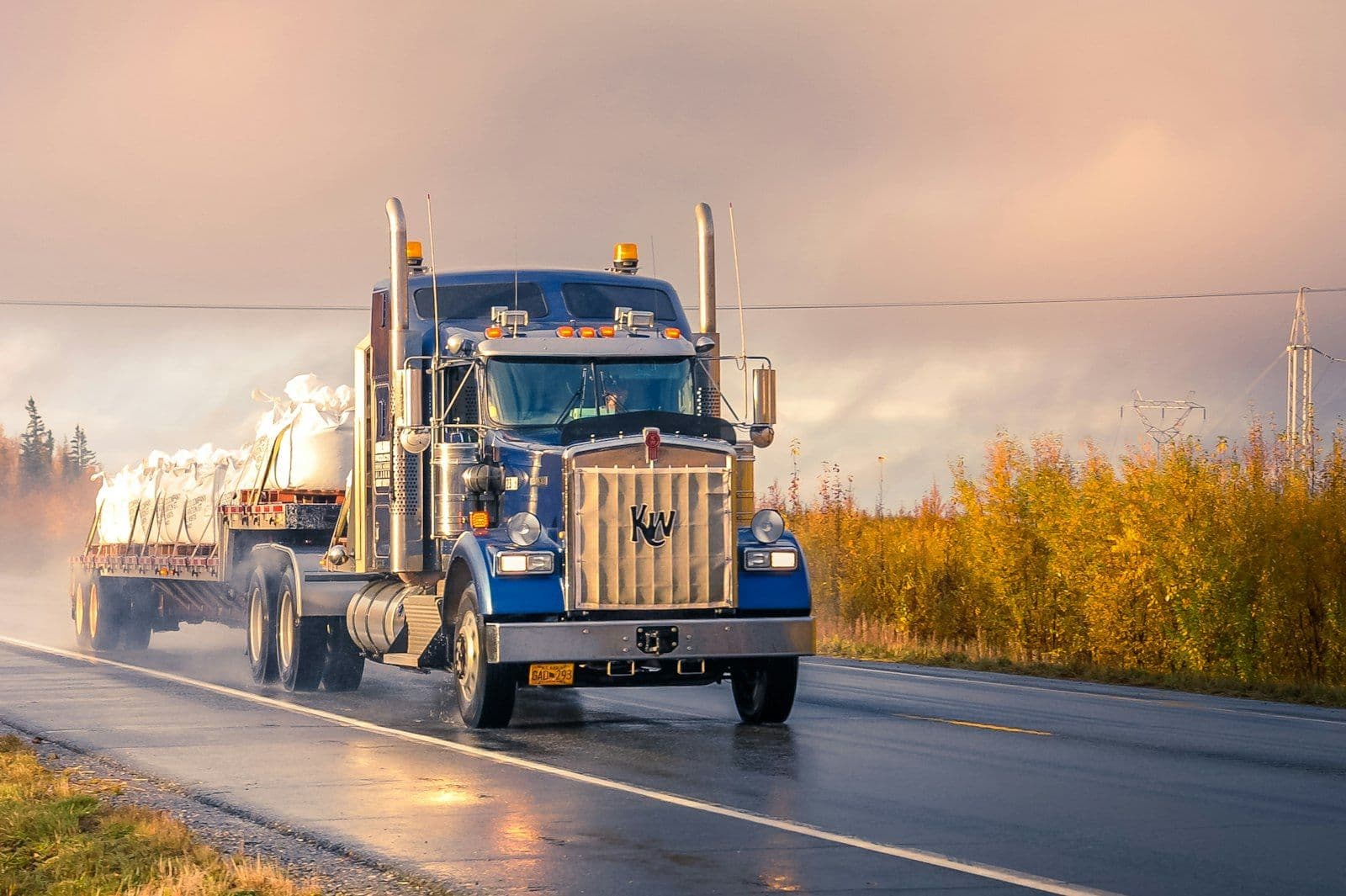
When a tour rolls into a venue, the rig gets all the attention. The lighting designer is focused on trim heights, the audio crew is chasing the PA hang, the video team is mapping the wall. Almost nobody is thinking about how the gear got there, until the day a 53-footer rolls up half empty and the production manager realizes they are paying for a truck they did not need.
That mistake costs more in 2026 than it has in years. Truckload spot rates hit an all-time record in early June, climbing to $3.83 per mile, and they are running 20 to 25 percent above prior-year levels across the back half of the year. Diesel is the other half of the squeeze. The national average jumped to $5.60 per gallon by mid-May, up more than 58 percent year-over-year. Every mile of every trailer is more expensive than it was last summer, which means every empty cubic foot you haul is money you are setting on fire.
The truck count is a production decision
A stadium tour can run on more than 90 trucks, with three days to build and less than one to tear down and roll. At that scale, one truck added or removed from the count is not a rounding error. It is a driver, a per-diem, a parking spot in a packed venue lot, and a fuel bill that compounds across every leg of the routing.
The problem is that truck count usually gets decided by feel. Someone who has loaded this rig before eyeballs the dock, remembers it took eight trucks last tour, and books eight. That instinct is valuable, but it bakes in whatever inefficiency existed last time, and it does not flex when the rig changes. Add a video wall, swap a line array, bring on a support act with their own gear, and the old number is suddenly wrong in a way nobody catches until load-out.
Plan the load before the gear hits the dock
This is where load planning belongs upstream, not at the loading dock. If you know your case dimensions and weights, you can build the trailer in 3D before a single road case leaves the shop. You can see whether your gear fits in seven trucks instead of eight, where the heavy cases need to sit for axle weight, and how to stack so the load-out order matches the load-in order at the next stop.
A few things fall out of planning the pack in advance:
- You catch the trailer you do not need. Seeing the load filled to the roofline, or seeing a half-empty truck, before you book it is the cheapest savings available right now. One trailer cut from a multi-leg run is real money at today's rates.
- You load for the room, not just the truck. The last cases in are the first ones out. Planning the stack against your load-in sequence means the crew is not digging past the lighting to reach the audio at 6 a.m.
- You protect the expensive freight. Knowing where the fragile and high-value cases ride, and that they are secured rather than crushed under a top stack, matters more when custom securement and theft are real concerns on tour freight.
- Anyone can read the plan. A visual load map travels better than one person's memory. The driver, the local crew, and the next production manager all see the same thing.
Fewer, fuller trailers is the whole game
The macro picture is not getting friendlier. Capacity is tight, carriers are exiting, and analysts expect elevated rates to hold through 2026. You cannot control the spot market or the price of diesel. You can control how full your trucks are.
That is the entire pitch for treating load planning as a production tool rather than a back-of-the-napkin afterthought. The rig you build on stage gets rehearsed, drawn, and signed off weeks out. The load that carries it deserves the same. Build the truck before you build the show, and you stop paying for air.
Truck Packer lets you model your cases and containers and pack them in 3D before anything moves, so the truck count is a number you decided on purpose instead of one you inherited. In a summer where every mile costs more, that is the difference between a tight load sheet and a budget leak you only find at the dock.
Ready to build your load plan? Log in to Truck Packer and pack it.

