One Crew, Six Festivals: Packing for a Summer That Never Resets
Peak festival season runs back-to-back weekends with shared gear and tired crews. The move is to treat your load plan as a reusable asset you refine, not a puzzle you rebuild at every stop.

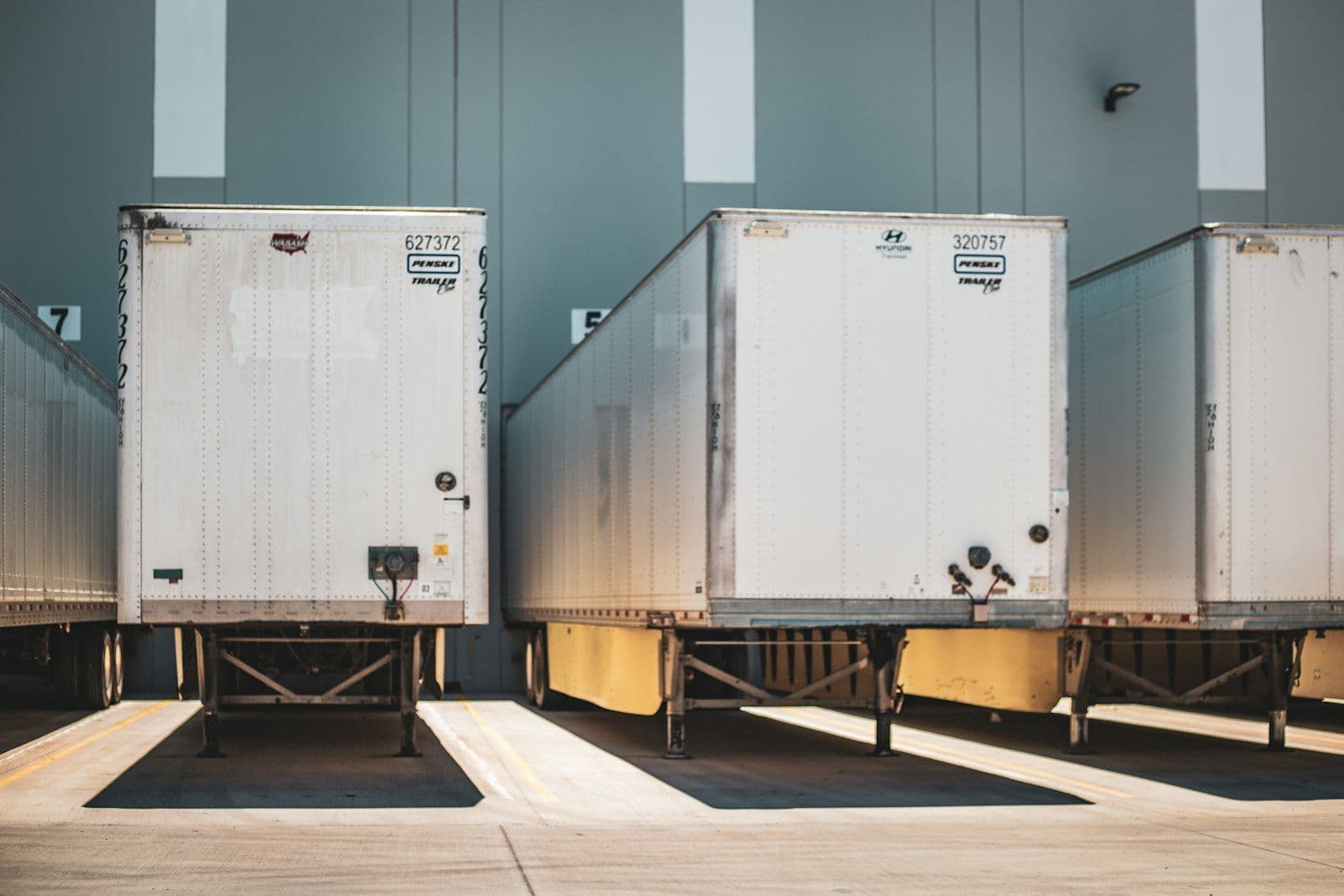
Peak festival season does not give you a clean slate between shows. A rigger might tear down one site overnight, drive several hours, and start load-in at the next one the following morning, as Ticket Fairy lays out in its rundown of the high-season crunch. When the calendar is that tight, the load plan you rebuild from scratch at every stop is the load plan that eats your night. The crews that survive a six-festival summer are the ones who treat the pack like a saved asset, not a fresh puzzle.
The summer that never resets
The math behind back-to-back festivals pushes everything toward reuse. Producers running multiple events are booking artists for consecutive weekends, standardizing suppliers, and moving the same staging, generators, lighting rigs, and fencing directly from one site to the next when the dates line up, according to Ticket Fairy's guide to managing multiple 2026 events. One producer's hypothetical portfolio in that piece trims roughly 110,000 dollars, about 7.6 percent, largely by sharing production and staff across events instead of duplicating them.
If the gear is shared and sequenced across a circuit, the plan for how it packs has to be shared too. A trailer loaded one way in Chicago and a different way in Milwaukee a week later is not a system, it is two separate scrambles. The whole point of running events as a set is that the second one should be easier than the first.
Why the from-scratch pack keeps costing you
Two pressures make the ad-hoc approach expensive right now.
First, capacity. Major staging, LED, and generator vendors book out 12 months ahead for summer, and festivals have seen 20 to 30 percent cost increases as suppliers hike prices against labor shortages and inflation, per the same high-season breakdown citing the UK's Association of Independent Festivals. Fewer trucks and fewer trailers to go around means the plan that cubes your gear into three rigs instead of four is real money, every weekend.
Second, people. Roughly 14 percent of one major stage company's seasonal builders never came back after 2020, day rates for riggers and audio techs have jumped, and crews are already fighting fatigue across the back-to-back grind. A fresh 5am load-out puzzle is exactly the tax an exhausted crew cannot absorb. A documented load order, sequenced by what comes off first, is how you get people off the site and into the bunk.
Make the plan the reusable part
The gear is already the reusable part of a multi-festival summer. The knowledge of how it fits should be too. Three habits make that real:
- Lock the load order once, then reuse it. Sequence cases by unload priority (rigging, then lighting, audio, backline) and save that sequence as the template for every stop on the circuit. The first festival is where you solve it. The rest are where you copy it.
- Plan the truck around what actually changes. Most of a rig is constant across a run. Flag the few things that swap per site, a different local generator, an added stage package, and adjust the pack around a known baseline instead of starting over.
- Hand it off, do not re-explain it. Crew turns over between weekends. A load plan someone can open and read is institutional knowledge that survives the turnover, rather than a diagram that lives in one road manager's head and leaves when they do.
Where Truck Packer fits
This is the exact job a saved 3D load plan is built for. Build the pack once in Truck Packer, lock the load order, and reuse the same plan at every festival on the run, adjusting only the pieces that move. When capacity is tight and crews are tired, the cheapest truck is the one you do not add, and the fastest load-out is the one you already planned. A summer of six festivals should be one plan you refine, not six you rebuild.
Everything above lives in the app. Log in to Truck Packer and start packing.

