No CDL for a 26-Foot Box Truck Under 26,001 Pounds. The DOT Rules Start at 10,001.
Rental 26-foot box trucks are rated just under the 26,001-pound CDL line. But on a paid tour across state lines, a truck rated 10,001 pounds or more is a commercial motor vehicle: USDOT number, medical cards and hours rules.

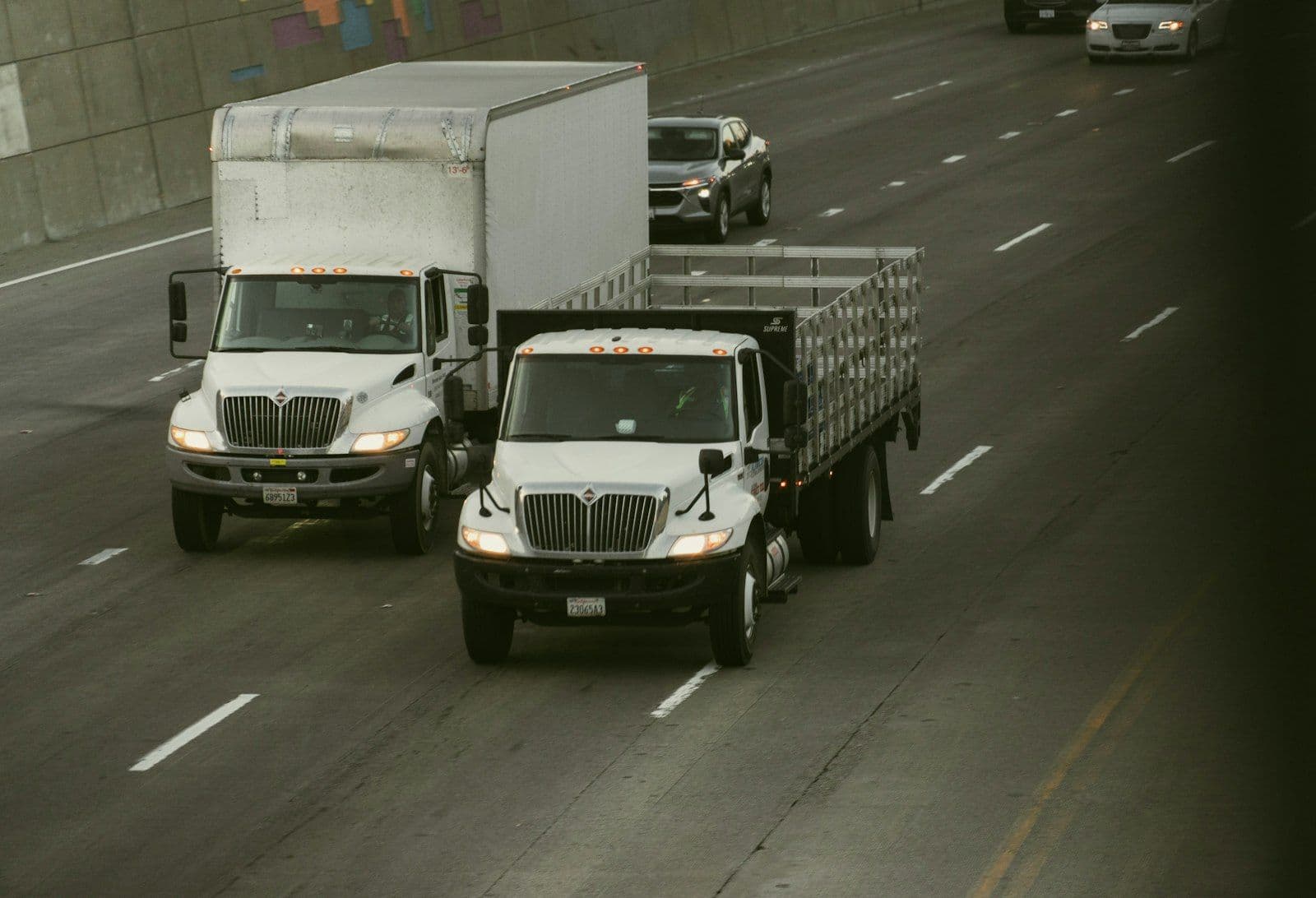
You don't need a CDL to drive a 26-foot box truck rated under 26,001 pounds, and the 26-footers on rental lots are rated under it. The line bands and small production shops miss is the other one, 10,001 pounds. Once a truck that heavy crosses a state line for a paid run of shows, it's a commercial motor vehicle under the federal safety rules. That brings a USDOT number, a medical card for every driver and hours-of-service rules, CDL or not.
Here's where each number comes from. This is a plain reading of the federal rules, not legal advice, and states layer their own on top, so check yours before the first load-out.
A CDL starts at 26,001 pounds GVWR
Source: 49 CFR 383.5, definition of commercial motor vehicle
The CDL rules sort trucks by weight rating, not length. A single straight truck needs a Group B license at a gross vehicle weight rating (GVWR) of 26,001 pounds or more. A combination needs Group A when the whole rig is rated at 26,001 or more and the trailer on its own is rated over 10,000. GVWR is the number on the door sticker, the most the manufacturer says the truck can weigh loaded. It isn't what your gear weighs today, so an empty truck rated at 26,001 still needs a CDL driver, and an overloaded truck rated at 25,999 doesn't become a CDL truck. It just becomes an overweight one.
That trailer rule matters if you tow. A box truck rated under 26,001 pulling a merch trailer rated at 10,000 or less isn't Group A, even when the two together top 26,001, because the towed unit is under its own line.
The rental 26-footer is rated at 25,999 pounds
Source: U-Haul, 26' moving truck specs
U-Haul lists its 26-footer at 25,999 pounds GVWR, two pounds under the CDL line, with an empty weight of 13,140 and a max load of 12,859. Penske's 26-foot moving truck asks for a regular driver's license and two forms of ID, and lists up to 10,000 pounds of load (Penske, 26-foot truck). That's on purpose: the consumer fleets build the biggest box they can rent to anyone with a normal license. Commercial lease trucks are a different story, and the CDL version of the same 26-foot box can run 33,000 GVW, so read the door sticker before you assume.
At 10,001 pounds, a truck on a paid tour is a commercial motor vehicle
Source: 49 CFR 390.5, definitions
FMCSA's safety rules draw a much lower line than the CDL rules. Any truck or combination rated at 10,001 pounds or more that carries property in interstate commerce is a commercial motor vehicle, and interstate commerce is broad: trade or transportation between a place in one state and a place outside it. A 26-footer at 25,999 is two and a half times that line, and the small trucks clear it too: U-Haul's 15-footer is rated at 14,500 pounds (U-Haul, 15' truck specs).
The exemption you'd hope for is narrow. The rules skip "the occasional transportation of personal property by individuals not for compensation nor in the furtherance of a commercial enterprise" (49 CFR 390.3T). Moving your apartment qualifies. Hauling backline to a run of paid shows doesn't, even when it's your own gear in your own name. The band, or the LLC behind it, is what the rules call a private motor carrier: a company moving property by commercial motor vehicle that isn't hauling for hire.
A private carrier registers for a USDOT number before its first mile
Source: 49 CFR 390.201, USDOT registration
The registration rule covers every motor carrier subject to the regs, and it names private carriers outright. It's due before operations start, and you can't run under the number until FMCSA tells you it's active, so this isn't something to sort out at the first weigh station. The number belongs to whoever is doing the hauling, which for a band is usually the touring company, not each member.
On a rental under 30 days, the truck shows their USDOT number and the agreement carries yours
Source: 49 CFR 390.21T, marking of rented CMVs
For a rental of 30 days or less you don't letter the truck yourself. The rental company's name and USDOT number go on the truck, and the rental agreement has to show your company's name, its principal address and your USDOT number. That agreement has to ride in the truck for the whole rental. Keep it in the cab, not in the tour manager's backpack in the van.
Every driver needs a medical card, good for up to 24 months
Source: 49 CFR 391.41 and 49 CFR 391.45
Anyone driving a commercial motor vehicle has to be medically certified as physically qualified, and has to have the certificate (or a copy) on them while on duty. A driver who hasn't been examined and certified in the preceding 24 months has to get the exam again. If three people split the drive, that's three DOT physicals, so book them before the tour, not on a day off in a city where nobody knows a clinic.
The 150-air-mile hours exception doesn't survive a tour
Source: 49 CFR 395.1, hours of service scope and exceptions
Non-CDL drivers get a generous short-haul exception. Stay within 150 air miles of where you report for work, come back there at the end of every duty day, and the company keeps time records instead of the driver keeping logs. A tour does the opposite. You report in Nashville and get released in Atlanta, so the exception is gone and the driver is on the regular hours-of-service rules and records of duty status. Plan drive days and load-out times like a trucking company would, because on paper that's what you are.
What it changes on the dock
None of this changes how the truck gets packed, but the weight rating does. Payload is the door-sticker GVWR minus what the truck weighs empty, and backline and PA eat it faster than the cube suggests: a road case weighs a lot more tour-ready than empty, and a console alone can run 437 pounds before the cables. If you're comparing rental fleets, the interior dimensions by company and the payload by truck size are the two numbers to put side by side.
The cheap fix is knowing the total before you sign the rental agreement. Put the case weights into the pack once and the total sits next to the truck's limit every time you open it, so "are we over?" is a glance instead of a guess at the scale.
Know what's in the box before you pick up the keys. Log in to Truck Packer and pack it with weights.

