21 New Brands in the Case Library (And the Rows We Left Out)
The Truck Packer manufacturer library went from 1,857 cases to 5,572: truss from MILOS, LITEC, Eurotruss, James Thomas, Global Truss and TOMCAT, plus SKB, Peli, ProX, ZARGES, NANUK, DiGiCo and more. Here is what made it in, what did not, and why.

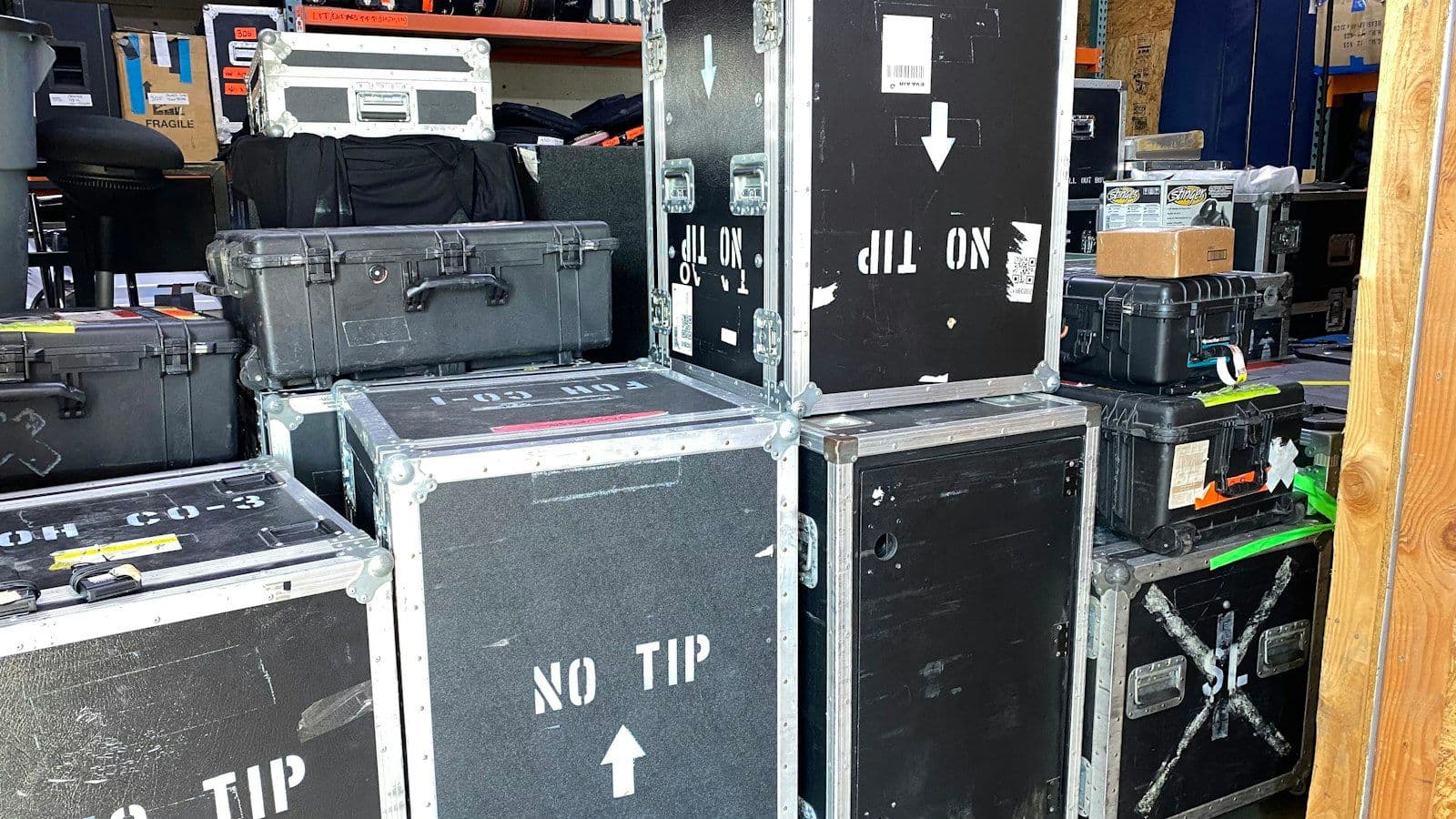
Last week we added 21 manufacturer case libraries to Truck Packer. The library went from 1,857 cases to 5,572, and the new rows are mostly the stuff that actually fills a truck: truss, empty cases and racks, console flight cases, PA carts and staging.
What is in there now
The truss makers are the biggest addition, because truss is what decides whether you are on two trucks or three. MILOS came in at 446 rows, LITEC at 332, Eurotruss at 172, James Thomas Engineering at 98, Global Truss at 214, TOMCAT at 75 and Tyler at 34. Sticks, dollies, decks and stairs all count as loadable units, so they are in.
On the empty case side, SKB brought 682 rows and we replaced our 8-row Pelican set with the full Peli catalogue at 663. ProX added 263, ZARGES 226, NANUK 206, Road Ready 86 and Calzone/Anvil 21. Gear-specific cases came from DiGiCo at 40 console cases, d&b amp carts and racks at 22, JBL VTX transporters, Elation, Chauvet Professional and Robe top loaders. StageRight decks and Wenger risers round out staging.
Truss rows are named the way a rental catalogue writes them, not the way a SKU does. You are looking for a Tomcat light duty box 12 inch by 10 foot spigoted, so that is what the row says, with the part number after it.
What we left out, and why
The library is cases only. We scraped bare fixtures, speakers, consoles, motors and LED panels along the way, and then dropped every one of them. A moving light in a truck is in a case, and the case is what you are stacking, so a row for the naked fixture is a trap.
Anything without a real published weight either got held back or got an estimate with its work shown. Robe publishes dimensions for its top loader cases but not shell weights, so all 72 rows went in with the weight derived from the fixtures inside plus an estimated shell, and every one of those rows says on its face that the number is implied. Prolyte publishes nominal sizes and not outside dimensions, which is fine for a spec sheet and useless for a load plan, so almost all of it is out. Odyssey lists shipping dimensions on knock-down racks, meaning the box the rack ships flat in, not the case you roll into a truck, so the whole set is excluded. Global Truss category tables and product pages disagree on weight for about 28 parts, and rather than pick a winner we dropped them.
Every row that did make it went through an audit that re-parses the original dimension string, checks size, weight and density against sane envelopes, and re-fetches a sample uncached to make sure the number on our side still matches the number on theirs. That pass is also how we caught a bug in our own existing data: the Pelican 1535 Air row read 21.96 by 35.5 by 22.8 inches, which is the centimeter figures pasted into an inches field. The real case is 22 by 14 by 9. It is fixed.
Why any of this matters to a pack
A load plan is arithmetic on a list of boxes. If the boxes are wrong, a tidy 3D render is just a confident wrong answer, and you find out at the dock. Most crews I know still measure a case with a tape when they need a number, or copy one off an old advance where nobody remembers who measured it. Pulling the manufacturer's own published dimensions removes that step for a good bit of a typical rig.
It does not remove it for all of it, and we are not going to pretend otherwise. Custom shop cases have no catalogue to scrape. Truss makers that publish kilograms per meter get stick weight derived as weight per meter times length, and those rows say so in the description. Robe case weights, when they come in, will be the fixtures plus a fitted shell and will say that too. Where a number is implied rather than published, the row tells you, because the alternative is a library that looks authoritative and quietly is not.
If your case is not in there, measure it once, save it to your own case list and it is yours from then on. If your case is in there and our number is wrong, tell us and we will go read the source again.
Ready to build your load plan? Log in to Truck Packer and pack it.

