Diesel Prices Are Surging: What It Means for Trucking, Logistics, and Production Teams in 2026
Diesel prices have surged past $4/gallon in March 2026 due to Middle East tensions disrupting the Strait of Hormuz. Here's how rising fuel costs are impacting trucking, freight logistics, and touring production teams — and what you can do to control costs through smarter load planning.

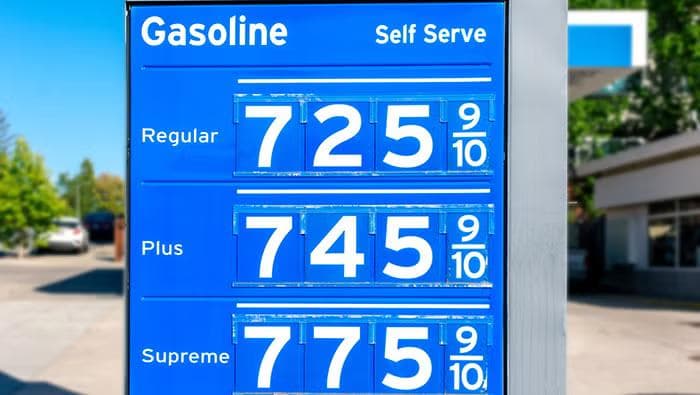
If you move gear for a living, you've already felt it at the pump. Diesel prices have climbed sharply in March 2026, with the national average pushing past $4 per gallon in many regions and topping $4.50 on the West Coast. For trucking companies, freight carriers, and touring production teams, these rising fuel costs are squeezing already thin margins and forcing tough decisions about routing, scheduling, and load planning.
Here's what's driving the surge, how it's hitting operations, and what you can do to stay ahead of it.
What's Driving the Diesel Price Spike?
Military conflict in the Middle East that began in late February 2026 has disrupted traffic through the Strait of Hormuz, a critical chokepoint for global oil and refined fuel supply. The ripple effect has been immediate. In some metro areas like Kansas City, diesel prices jumped more than 50 cents per gallon in a single week. Regional averages as of early March range from $3.60 on the Gulf Coast to $4.53 on the West Coast, with the Midwest and East Coast hovering near $3.90.
Analysts expect the volatility to continue through at least Q2 2026 as geopolitical tensions remain unresolved and refining capacity stays constrained.
The Real Cost: How Diesel Prices Hit Trucking Operations
Fuel isn't a line item you can ignore. According to the American Transportation Research Institute, fuel accounts for roughly 21% of the total cost per mile for trucking operations — second only to driver wages. When diesel prices spike 15-20% in a matter of weeks, it creates a cascading effect across the entire supply chain.
Fuel surcharges are rising in response. UPS and FedEx have already adjusted their surcharge tables for March 2026, and smaller carriers are following suit. But surcharges rarely keep pace with the actual increase, especially for smaller fleets and owner-operators who lack the negotiating leverage of major carriers.
The math is simple but painful: a truck averaging 6 miles per gallon on a 500-mile run burns about 83 gallons. At $3.50 per gallon, that's $291 in fuel. At $4.30, it's $357 — an extra $66 per run. Scale that across a fleet running dozens of routes per week, and the margin compression adds up fast.
Why Production and Touring Teams Should Pay Attention
If you're coordinating equipment moves for live events, concerts, film sets, or corporate production, diesel prices hit you in a specific and often overlooked way. Production logistics typically involve irregular routes, tight timelines, and oversized loads that don't benefit from the fuel efficiency of standard freight.
Touring crews often run multiple trucks across multi-city routes on tight schedules where rerouting isn't an option. When diesel costs spike, the budget impact lands squarely on the production team. A 10-city arena tour moving 4-6 trucks per leg can see fuel costs increase by $5,000 to $10,000 over the course of a run — money that comes directly out of the production budget.
Unlike long-haul freight, production moves rarely qualify for standard fuel surcharge pass-throughs. The cost is absorbed, not offset.
Strategies to Control Fuel Costs Right Now
You can't control the price of diesel, but you can control how efficiently you use it. Here are practical steps trucking and production teams can take today:
Optimize your routes. Every unnecessary mile costs money. Review your routing for each run and eliminate deadhead miles wherever possible. Tools that offer real-time routing optimization can save 5-10% on fuel just by cutting waste.
Maximize every load. A half-empty truck burns nearly as much fuel as a full one. Smart load planning — knowing exactly what fits and how to pack it — reduces the number of trucks you need on the road. Even eliminating one truck from a multi-vehicle run can save hundreds of dollars per trip.
Lock in fuel pricing where possible. If you're running consistent routes, consider fuel contracts or fleet cards that offer per-gallon discounts. Even a $0.10 per gallon discount adds up across thousands of gallons per month.
Monitor regional price differences. Diesel prices vary significantly by region. Planning fuel stops strategically along your route — filling up on the Gulf Coast before heading west, for example — can trim costs.
Audit your fleet's fuel efficiency. Tire pressure, speed governing, idle reduction, and aerodynamic add-ons all contribute to better fuel economy. Small gains compound across every mile.
How Smarter Load Planning Reduces Fuel Spend
One of the most effective levers for controlling fuel costs is reducing the number of trucks on the road — and that starts with how you pack them.
TruckPacker is a 3D load planning tool built specifically for logistics and production teams who need to fit more into every trailer. By visualizing your load in 3D before it's built, you can identify wasted space, optimize stacking, and eliminate the guesswork that leads to sending an extra truck.
For production teams, this means packing road cases, lighting rigs, and staging equipment with precision — so you're running 3 trucks instead of 4. For freight and logistics operations, it means fewer partial loads and better cube utilization across every shipment.
When diesel is at $4+ per gallon, every truck you don't send is real money back in your pocket.
The Bottom Line
Diesel prices are high and likely to stay elevated through the first half of 2026. Hoping for relief isn't a strategy. The teams that come through this period in good shape will be the ones who tighten up their operations now — starting with how they plan routes, pack loads, and manage fuel consumption.
If you're looking for a practical place to start, take a look at how TruckPacker can help you fit more into every load and put fewer trucks on the road. Try it free at truckpacker.com.
Ready to build your load plan? Log in to Truck Packer and pack it.

