Beyond the Spreadsheet: How 3D Load Visualization is Revolutionizing Modern Freight Planning
Discover how 3D visualization technology is transforming freight planning from guesswork to precision, reducing costs and improving efficiency in an increasingly automated logistics landscape.

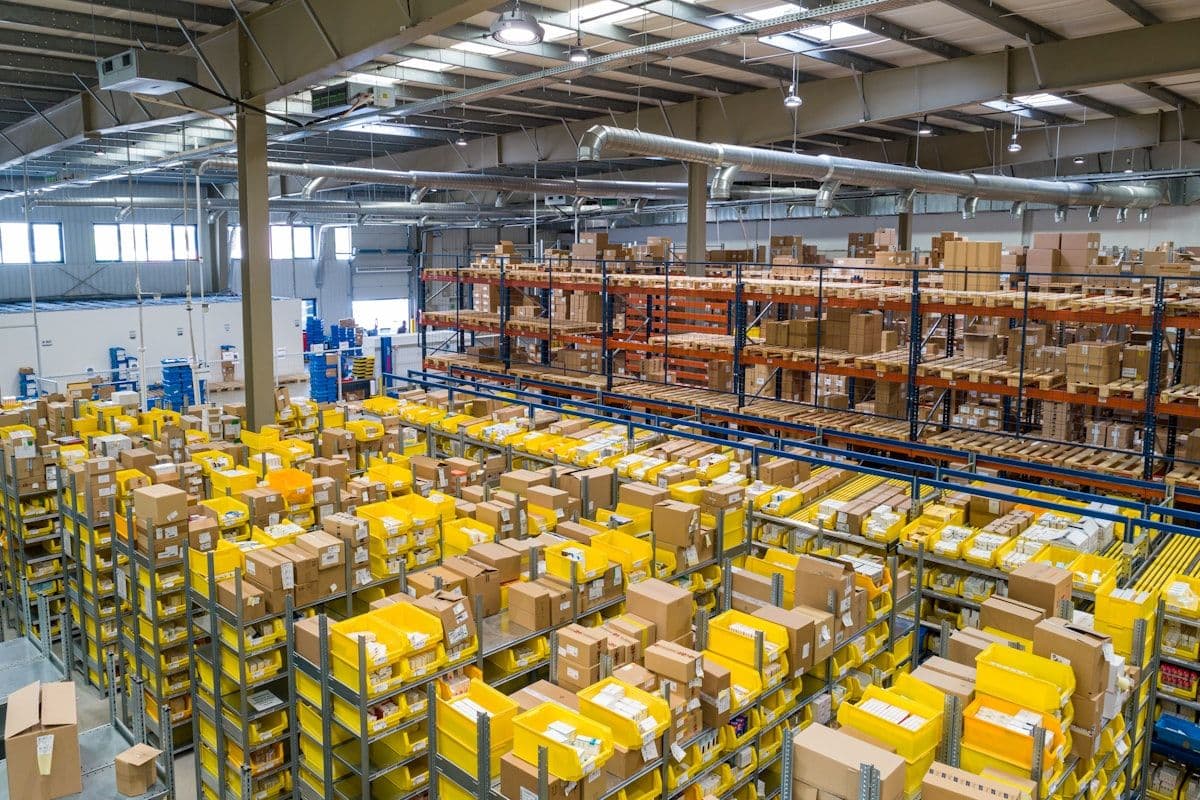
The logistics industry stands at a technological crossroads. While warehouse automation dominates headlines with AI-powered robotics and predictive analytics, a quieter revolution is happening in freight planning offices across the globe: the shift from traditional spreadsheet-based load planning to sophisticated 3D visualization platforms.
As 2026 warehouse automation trends show us that software intelligence is converging with physical operations to deliver unprecedented efficiency, load planning hasn't been left behind. The old way of planning shipments—calculating dimensions in spreadsheets, estimating weight distribution, and hoping everything fits—is giving way to precise 3D modeling that shows exactly how cargo will pack before a single item touches the truck.
The Hidden Costs of Traditional Planning
Most logistics professionals have lived this scenario: A carefully planned load arrives at the dock, and suddenly nothing fits the way it should. A road case that looked perfect on paper blocks access to another piece of gear. Weight distribution is off, creating handling problems and potential safety issues. What looked like a 95% truck utilization on the planning sheet becomes an 85% reality, with the remaining gear bumped to a costlier second trip.
These planning mismatches aren't just inconvenient—they're expensive. Industry research suggests that poor load planning contributes to 6-12% efficiency losses across freight operations, whether you're shipping consumer goods, moving trade show exhibits, or trucking tour production gear to venues.
For freight forwarders working with tight margins, that efficiency gap translates directly to profit loss. For touring productions where every truck matters, it means additional vehicles, higher fuel costs, and more complex logistics coordination. For manufacturers shipping finished goods, it means higher per-unit transportation costs that eventually impact competitiveness.
Visual Planning: Seeing Before Loading
The breakthrough comes from treating load planning as a spatial problem rather than a mathematical one. 3D load planning software doesn't just calculate cubic feet—it creates accurate virtual representations of trailers, containers, and cargo that behave according to real-world physics.
When a production manager loads virtual road cases into a virtual truck, they can see immediately if the guitar case will block access to the dimmer rack. They can verify that weight distribution follows DOT guidelines before committing to the plan. Most importantly, they can rotate the view, inspect from different angles, and catch potential problems that never show up in spreadsheet calculations.
This visual approach transforms load planning from educated guessing to precise engineering. Modern 3D platforms like TruckPacker allow planners to drag and drop actual gear into accurate truck models, automatically calculating weight distribution and flagging potential issues before they become dock-door disasters.
Real-World Impact: The Numbers Don't Lie
The efficiency improvements from visual load planning aren't theoretical. Organizations implementing 3D planning platforms report:
- **5-8% improvement in truck utilization** through better space optimization
- **25-40% reduction in load planning time** thanks to intuitive visual interfaces
- **Significant decrease in rejected loads** due to weight or space miscalculations
- **Improved safety compliance** through better weight distribution planning
For a mid-size freight operation running 50 trucks daily, that 6% efficiency improvement translates to avoiding approximately 3 additional trucks per day—a substantial cost savings in fuel, driver time, and vehicle wear.
But the benefits extend beyond pure mathematics. Visual planning improves communication between office planners, warehouse teams, and drivers. Instead of interpreting loading instructions from a text list, dock workers can reference the 3D plan to see exactly how cargo should be positioned. This clarity reduces loading time and minimizes handling errors.
Integration with Modern Logistics
As the logistics industry embraces warehouse automation and AI-powered decision making, 3D load planning becomes a critical link in the digital supply chain. Modern platforms integrate with warehouse management systems, pulling item dimensions and weights directly from inventory databases. This automation eliminates manual data entry errors while ensuring that load plans reflect real inventory.
Some advanced implementations connect 3D planning with route optimization, ensuring that delivery sequence aligns with cargo accessibility. Others integrate with IoT sensors to track actual vs. planned weight distribution during transit, providing data for continuous planning improvement.
For freight forwarders and logistics providers, this integration capability means that 3D planning becomes part of a comprehensive digital workflow rather than an isolated tool. Quote-to-delivery processes can incorporate accurate space calculations from the initial customer inquiry through final delivery confirmation.
The Mobile Revolution
Perhaps the most significant development in 3D load planning is its mobility. Tablet and smartphone interfaces allow warehouse supervisors to access load plans on the dock floor, make real-time adjustments as cargo arrives, and share updated plans instantly with drivers and delivery teams.
This mobility proves especially valuable in dynamic environments like live event production, where gear specifications change frequently and load plans must adapt quickly. Tour managers can revise truck packs from venue load-in positions, ensuring that production changes translate immediately to updated logistics plans.
Looking Forward: The Measurement Gap
As impressive as current 3D planning technology has become, the industry still faces a significant challenge: accurate cargo measurement. Most load plans still rely on manufacturer specifications or manual measurements, introducing potential errors that even the best visualization software can't overcome.
This measurement gap represents the next frontier in load planning evolution. LIDAR-based measurement solutions are emerging that can scan cargo in seconds, feeding precise dimensions directly into 3D planning platforms. These technologies promise to close the loop between physical reality and digital planning, ensuring that virtual load plans match actual cargo with unprecedented accuracy.
Making the Transition
For logistics operations still relying on traditional planning methods, the transition to 3D visualization doesn't require wholesale system replacement. Modern web-based platforms allow teams to start with pilot projects, testing visual planning on specific routes or cargo types before expanding to full operations.
The key is recognizing that load planning has evolved from a necessary administrative task to a competitive advantage. In an industry where margins are often measured in percentage points, the efficiency gains from precise load optimization can make the difference between profit and loss.
Conclusion
3D load visualization represents more than just prettier planning software—it's a fundamental shift toward treating freight planning as an engineering discipline. As the logistics industry continues its embrace of automation and data-driven decision making, visual load planning provides the spatial intelligence that traditional systems simply cannot deliver.
For freight professionals ready to move beyond spreadsheet guessing, the question isn't whether 3D planning improves efficiency—the data on that point is clear. The question is how quickly your operation can implement these tools and start capturing the competitive advantage that precise load planning provides.
In a world where every cubic foot and every pound matters, seeing your cargo before you load it isn't just helpful—it's essential.
Put it to work: log in to Truck Packer and build your load plan.

